SJ_A2_089
Reading and Writing
Documents / Tài liệu
Goals / Mục tiêu
- write and answer comprehension questions in response to a reading about oil paints. viết và trả lời các câu hỏi đọc hiểu trong bài đọc về sơn dầu.
- use zero conditional to write rules and true / false statements. áp dụng câu điều kiện loại không để viết các quy tắc và câu khẳng định đúng/sai.
Vocabulary
Từ vựng
-
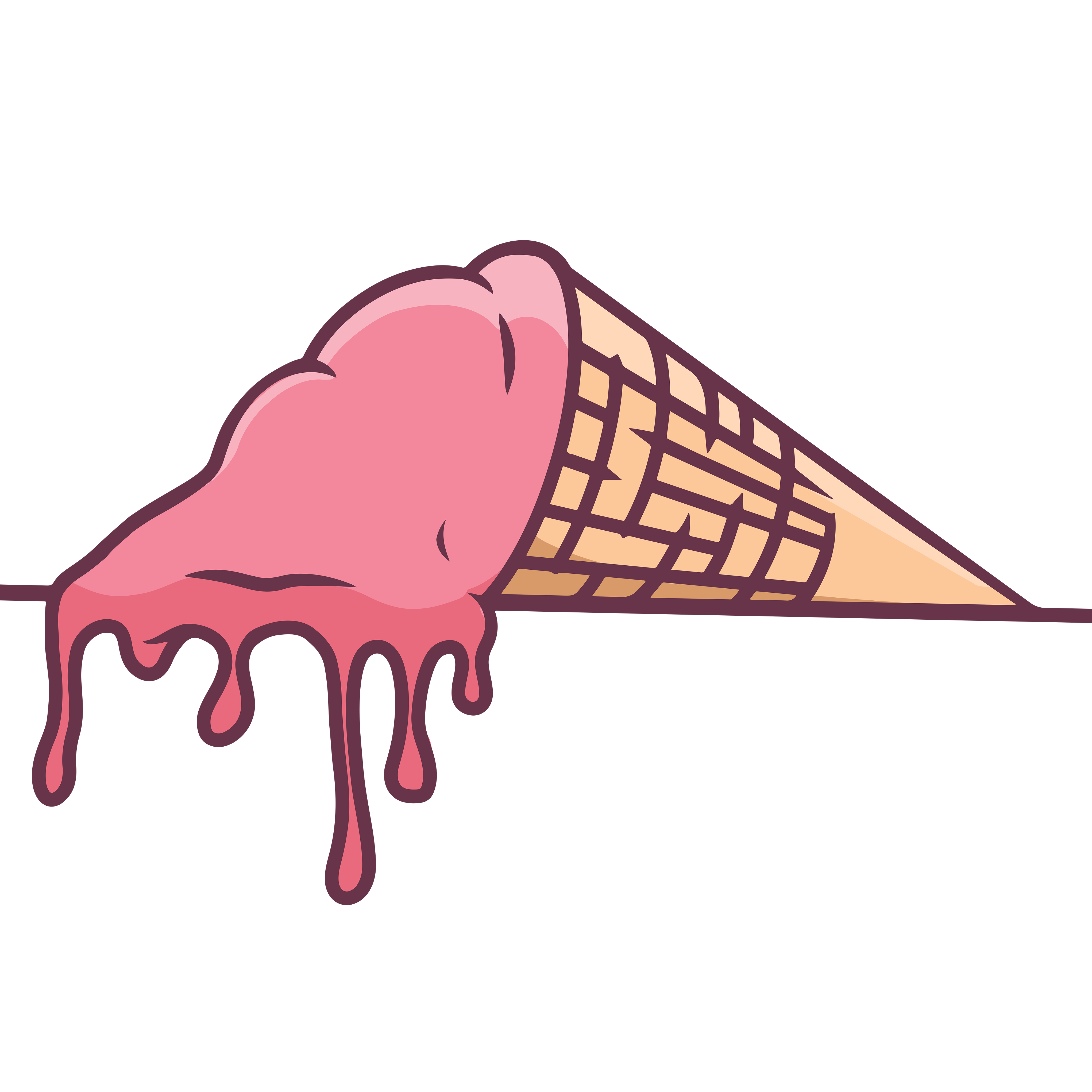
melt
tan chảy
"Ice melts in the spring."
"Băng tan vào mùa xuân."
-
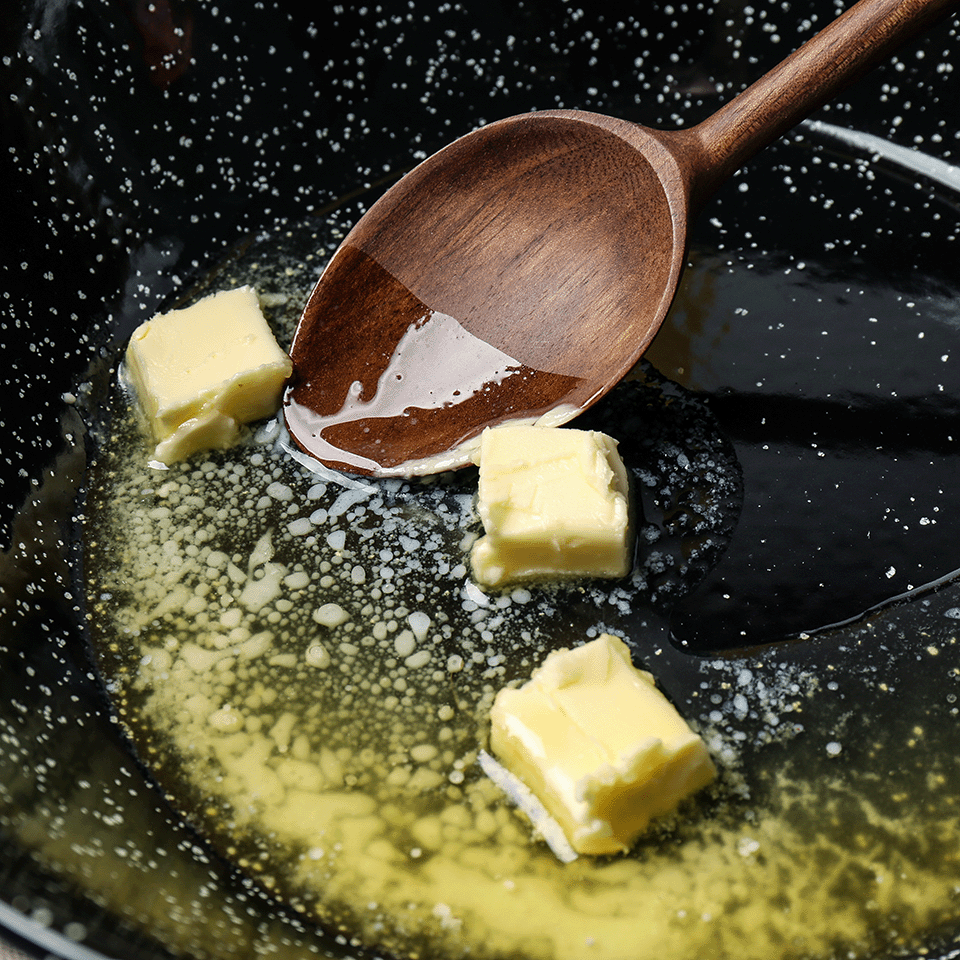
heat
hâm nóng, làm nóng
"You should heat the food before eating it."
"Bạn nên hâm nóng thức ăn trước khi ăn."
-
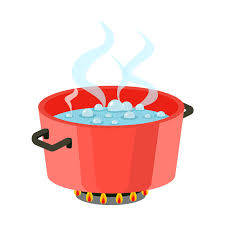
boil
đun sôi, sôi
"Water boils at 100 degrees Celsius."
"Nước sôi ở ngưỡng 100°C."
-
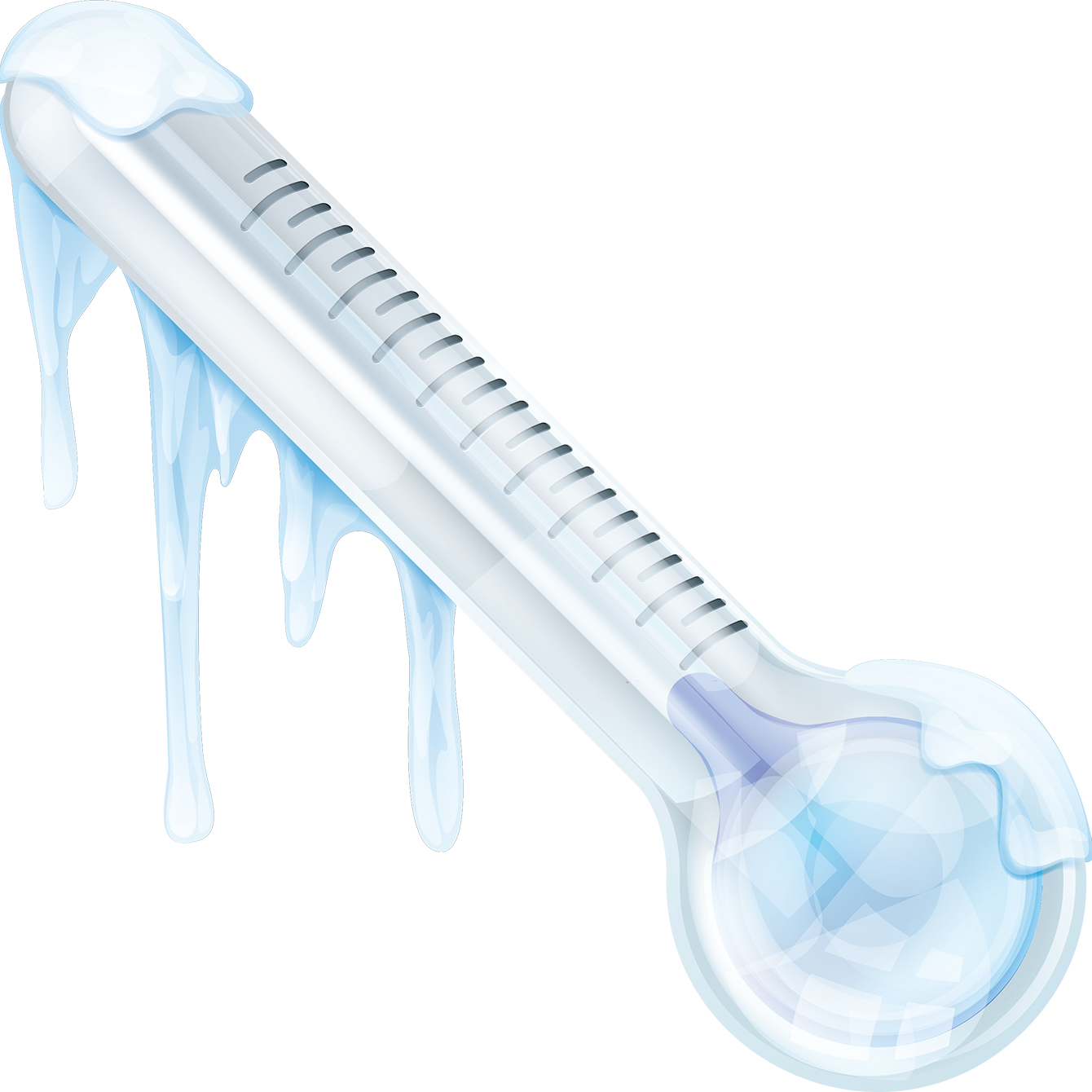
freeze
đông đá
"If water reaches 0 degrees Celsius, it freezes."
"Nếu nước chạm ngưỡng 0°C"
-
float
nổi
"Your lungs float when you are in water."
"Phổi bạn sẽ nổi lên khi bạn ở dưới nước."
-

sink
chìm
"Sometimes, heavy things don't sink."
"Đôi khi"
-

degrees Celsius
độ C
"Water boils at 100 degrees Celsius."
"Nước sôi ở ngưỡng 100°C."
-
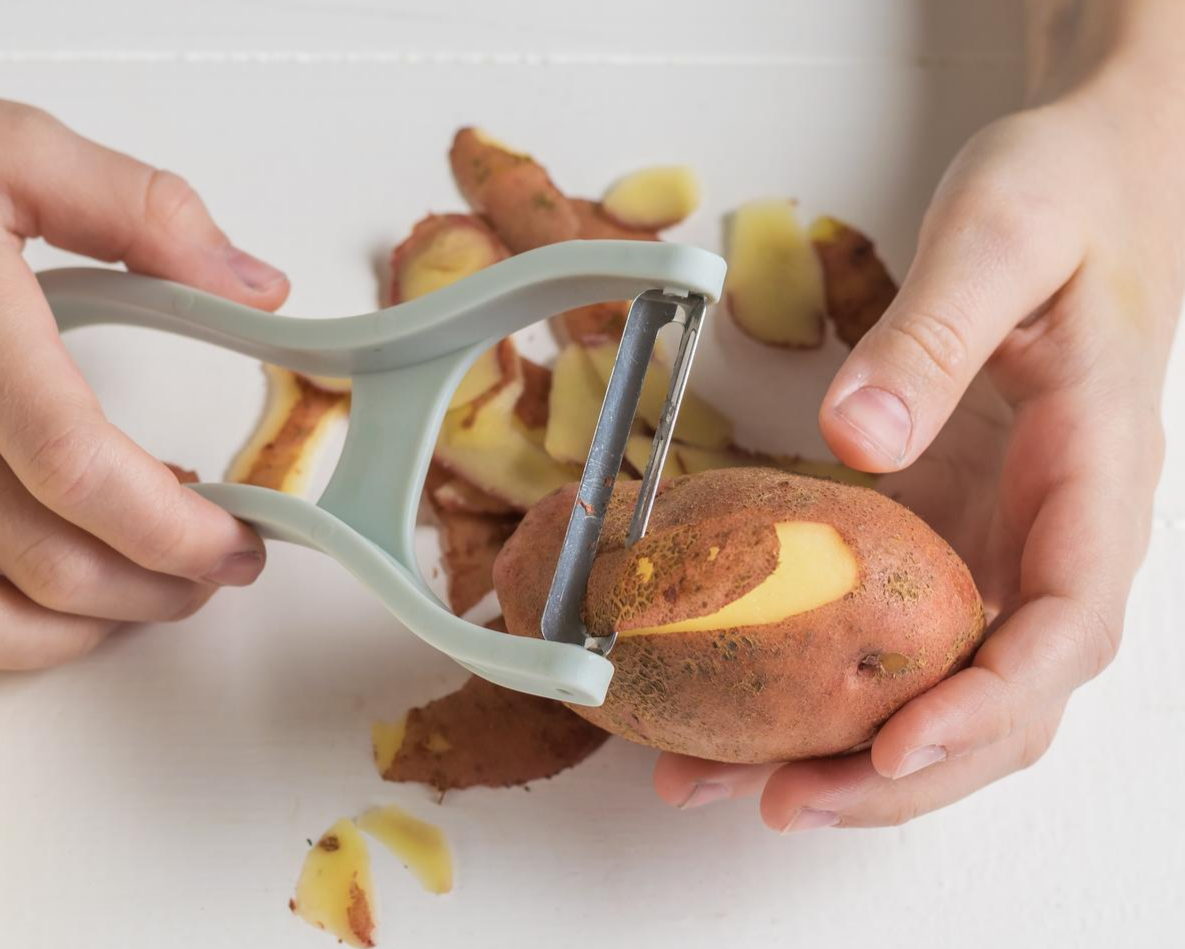
peel
gọt, lột vỏ
"He peeled the skin from the orange with a knife."
"Anh ấy gọt vỏ cam bằng dao."
-

heart beat
nhịp tim
"Your heart beats from 60 to 100 times per minute."
"Tim đập từ 60 đến 100 lần mỗi phút."
-

sneeze
hắt xì
"The human sneeze moves at 150 kilometers per hour."
"Cơn hắt xì của con người có thể di chuyển với vận tốc 150km"
-
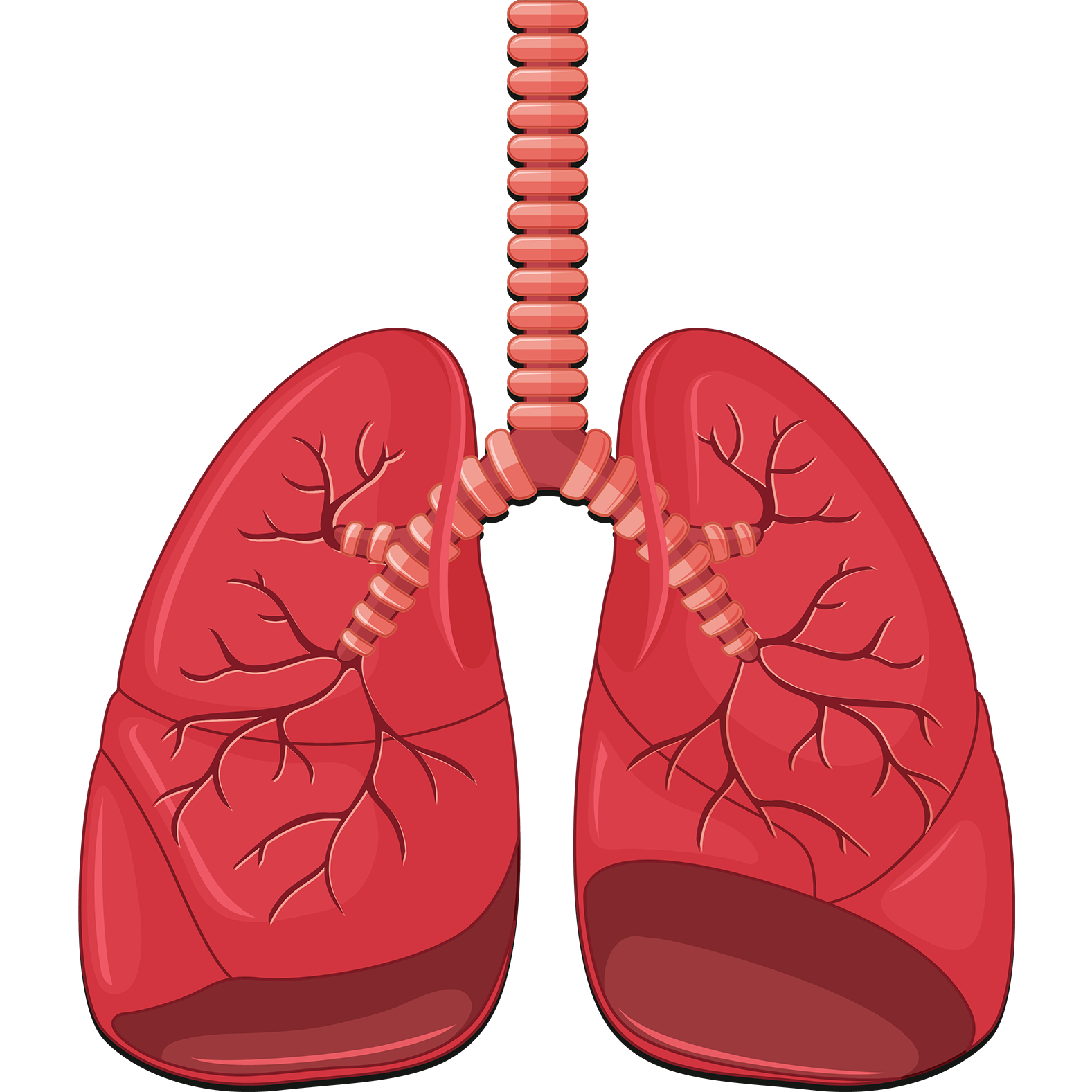
lungs
phổi
"The human lungs can hold 6 liters of air."
"Phổi của con người có thể giữ 6 lít không khí."
-
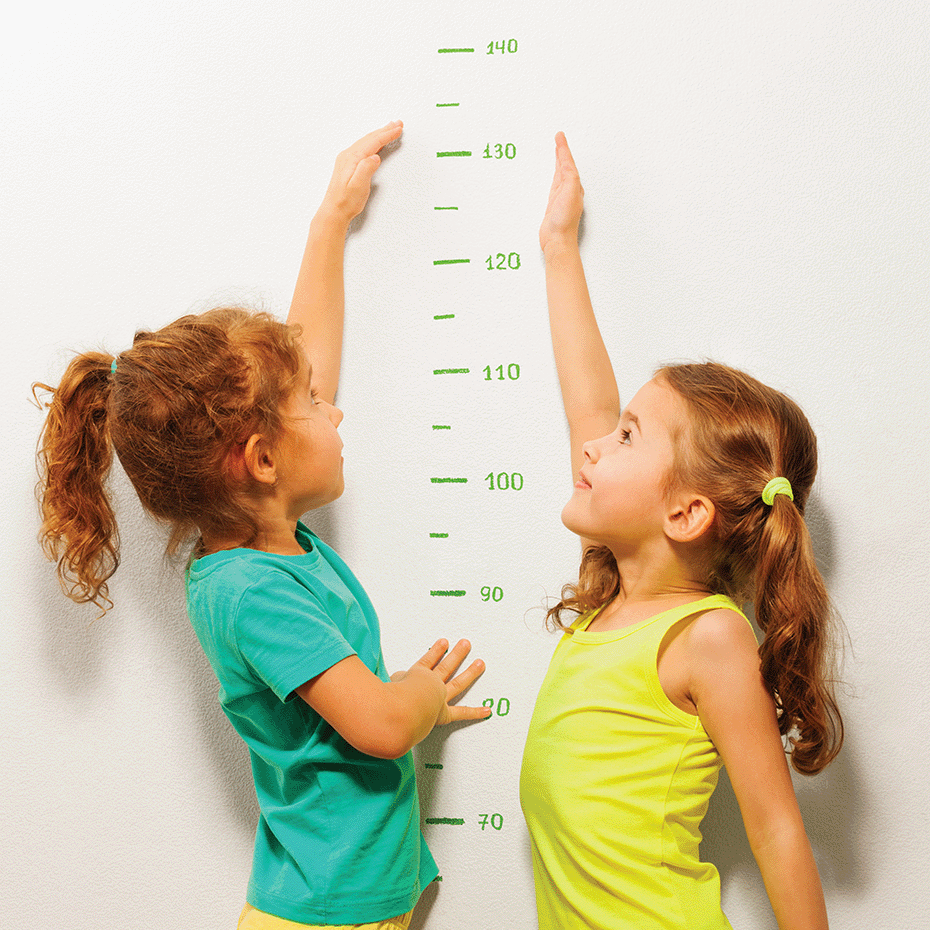
centimeters
cen-ti-mét
"There are 100 centimeters in a meter."
"100 cen-ti-mét bằng 1 mét."
Bonus Vocabulary
Từ vựng bổ sung (từ sách)
-

Statements
câu trần thuật
-
"These statements are true."
"Những câu phát biểu này là đúng."
-
Sentences
Câu
- Ice melts in the spring.Băng tan vào mùa xuân.
- You should heat the food before eating it.Bạn nên hâm nóng thức ăn trước khi ăn.
- Water boils at 100 degrees Celsius.Nước sôi ở ngưỡng 100°C.
- If water reaches 0 degrees Celsius, it freezes.Nếu nước chạm ngưỡng 0°C, nó sẽ đông lại.
- Your lungs float when you are in water.Phổi bạn sẽ nổi lên khi bạn ở dưới nước.
- Sometimes, heavy things don't sink.Đôi khi, những thứ nặng nhưng lại không chìm.
- He peeled the skin from the orange with a knife.Anh ấy gọt vỏ cam bằng dao.
- Your heart beats from 60 to 100 times per minute.Tim đập từ 60 đến 100 lần mỗi phút.
- The human sneeze moves at 150 kilometers per hour.Cơn hắt xì của con người có thể di chuyển với vận tốc 150km/h.
- The human lungs can hold 6 liters of air.Phổi của con người có thể giữ 6 lít không khí.
- There are 100 centimeters in a meter.100 cen-ti-mét bằng 1 mét.
- Your topic is ___.Chủ đề của em là ___.
- Write your own rules.Hãy viết các quy tắc của riêng em.
- There are three popular types of paint that artists like to use.Có ba loại sơn phổ biến mà các họa sĩ thích dùng.
- There's watercolor paint, acrylic paint, and oil paint.Có sơn màu nước, sơn acrylic và sơn dầu.
- Although oil paint is often considered the most difficult paint to paint with, many famous artists only paint with oils.Mặc dù sơn dầu thường được coi là loại sơn khó vẽ nhất, nhiều họa sĩ nổi tiếng chỉ vẽ bằng sơn dầu.
- Some famous artists who painted with oil paints were Vincent Van Gogh, Leonardo Da Vinci, Claude Monet, and Pablo Picasso.Một số họa sĩ nổi tiếng vẽ bằng sơn dầu là Vincent Van Gogh, Leonardo Da Vinci, Claude Monet và Pablo Picasso.
- Why are oil paints difficult to paint with?Vì sao sơn dầu khó vẽ?
- If you use acrylic paint or watercolor paint, it's easy to mix them.Nếu bạn dùng sơn acrylic hoặc sơn màu nước thì rất dễ pha chúng.
- Paints are easy to mix if they are water-based paints.Sơn rất dễ pha nếu đó là sơn gốc nước.
- This means that; if you add water, the paint gets thinner.Điều này có nghĩa là nếu bạn thêm nước thì sơn sẽ loãng hơn.
- You can make lighter and darker colors if you add water.Bạn có thể tạo màu nhạt hơn và đậm hơn nếu thêm nước.
- Water- based paint also dries much faster than oil-based paint.Sơn gốc nước cũng khô nhanh hơn nhiều so với sơn gốc dầu.
- If you add water to oil paint, it separates.Nếu bạn thêm nước vào sơn dầu thì nó sẽ bị tách ra.
- Artists who paint with oil paints don't use water to mix their paints.Các họa sĩ vẽ bằng sơn dầu không dùng nước để pha sơn.
- They use something called a medium.Họ dùng một thứ gọi là chất pha.
- Linseed oil and turpentine are two popular mediums artists use to mix their oil paints.Dầu hạt lanh và nhựa thông là hai chất pha phổ biến mà họa sĩ dùng để pha sơn dầu.
- We know that, if you mix blue paint and red paint, it makes purple, but there are many different shades and textures of purple.Chúng ta biết rằng nếu bạn pha sơn xanh dương và sơn đỏ thì sẽ ra màu tím, nhưng có nhiều sắc độ và chất sơn màu tím khác nhau.
- Artists use oil paints and mediums to create different shades and textures.Các họa sĩ dùng sơn dầu và chất pha để tạo ra các sắc độ và chất sơn khác nhau.
- If an artist mixes linseed oil into the purple paint, the paint takes longer to dry.Nếu một họa sĩ pha dầu hạt lanh vào sơn tím thì sơn sẽ khô lâu hơn.
- This is helpful because an artist can mix darker and lighter colors more easily into the paint.Điều này hữu ích vì họa sĩ có thể pha các màu đậm và nhạt vào sơn dễ hơn.
- Darker and lighter colors make shadows and light.Màu đậm và màu nhạt tạo ra bóng và ánh sáng.
- Linseed oil also stops the oil paint from becoming dull.Dầu hạt lanh cũng giúp sơn dầu không bị xỉn màu.
- If you use linseed oil, the paint is shinier.Nếu bạn dùng dầu hạt lanh thì sơn sẽ bóng hơn.
- If an artist mixes turpentine into the paint, it makes the paint dry faster.Nếu họa sĩ pha nhựa thông vào sơn thì sơn sẽ khô nhanh hơn.
- If you use turpentine, it also makes the paint thinner.Nếu bạn dùng nhựa thông thì nó cũng làm sơn loãng hơn.
- This means you can use a small amount of paint to cover a large area of a canvas.Điều này có nghĩa là bạn có thể dùng một lượng sơn nhỏ để phủ một vùng lớn trên vải vẽ.
- If you use a lot of turpentine, the paint is very thin.Nếu bạn dùng nhiều nhựa thông thì sơn sẽ rất loãng.
- The thinner the paint is, the lighter and weaker the color is.Sơn càng loãng thì màu càng nhạt và yếu.
- If you don't use turpentine the paint is very thick.Nếu bạn không dùng nhựa thông thì sơn sẽ rất đặc.
- Thick paint is darker and stronger than thin paint.Sơn đặc đậm và mạnh hơn sơn loãng.
- Artists use different thick and thin oil paint to create many different colors to paint with.Các họa sĩ dùng sơn dầu đặc và loãng khác nhau để tạo ra nhiều màu khác nhau khi vẽ.
- If you add water to ___, it ___.Nếu bạn thêm nước vào ___ thì nó ___.
- If an artist mixes linseed oil into the purple paint, the paint ___.Nếu một họa sĩ pha dầu hạt lanh vào sơn tím thì sơn ___.
- If an artist mixes turpentine into the paint, it makes the paint ___.Nếu một họa sĩ pha nhựa thông vào sơn thì nó làm sơn ___.
- If you ___ turpentine, the paint ___.Nếu bạn ___ nhựa thông thì sơn ___.
- If you ___ turpentine, the paint is very thick.Nếu bạn ___ nhựa thông thì sơn rất đặc.
- We know that, if you mix blue paint and red paint, it makes purple.Chúng ta biết rằng nếu bạn pha sơn xanh dương và sơn đỏ thì sẽ ra màu tím.