SJ_A2_058
Reading and Writing
Documents / Tài liệu
Goals / Mục tiêu
- read and understand a text about the history of air travel. đọc và hiểu một đoạn văn bản về lịch sử hàng không.
- research and write about an important invention. nghiên cứu và viết về một phát minh quan trọng.
Vocabulary
Từ vựng
-

succeed
thành công
"If at first you don't succeed, try again."
"Nếu lần đầu bạn không thành công"
-

success
sự thành công
"What's more important - success or happiness?"
"Điều gì quan trọng hơn - sự thành công hay hạnh phúc?"
-

fail
thất bại
"Every famous inventor has failed at some point in the past."
"Mỗi nhà phát minh nổi tiếng đều thất bại ở một thời điểm nào đó trong quá khứ."
-

failure
sự thất bại
"His first attempt was a failure. His second was a success."
"Nỗ lực lần đầu tiên của anh ấy là một thất bại. Lần nỗ lực thứ hai thì là một thành công."
-
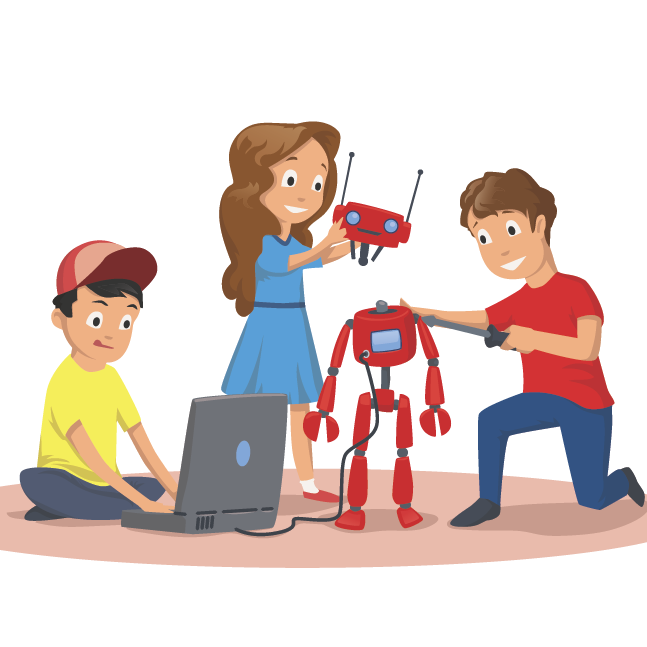
invent
phát minh
"Who invented the internet?"
"Ai đã phát minh ra Internet?"
-

invention
phát minh
"My favorite invention is the telescope."
"Phát minh yêu thích của tôi là kính thiên văn."
-

inventor
nhà phát minh, nhà sáng chế
"Perhaps the most famous inventor ever was Thomas Edison."
"Có lẽ nhà phát minh nổi tiếng nhất là Thomas Edison."
-

discover
khám phá, phát hiện
"Alexander Fleming discovered penicillin in 1928."
"Alexander Fleming khám phá ra penicillin vào năm 1928."
-
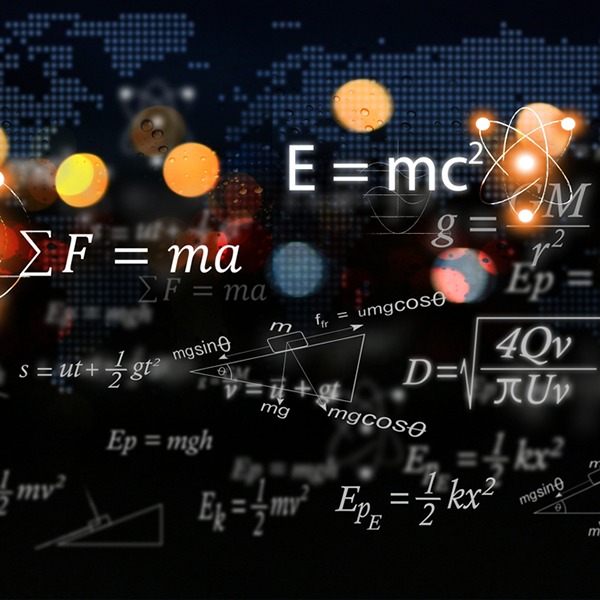
discovery
sự khám phá
"What's the biggest discovery of the last century?"
"Khám phá lớn nhất của thế kỷ trước là gì?"
-

try
thử, cố gắng
"Scientists are trying to find cures for many terrible illnesses and diseases."
"Các nhà khoa học đang cố gắng tìm ra phương pháp chữa trị cho nhiều căn bệnh tồi tệ."
-

trial
thử nghiệm
"To make sure it's safe, you must do a trial before you can release a new medicine."
"Để chắc chắn rằng nó an toàn"
-

build
xây dựng
"The builder builds houses."
"Thợ xây xây dựng những ngôi nhà."
-

builder
thợ xây
"The builder builds houses."
"Thợ xây xây dựng những ngôi nhà."
-

construct
thi công
"They are constructing a new bridge over the river."
"Họ đang xây dựng một cây cầu mới bắc qua sông."
Bonus Vocabulary
Từ vựng bổ sung (từ sách)
-
false
sai
-
"Your answer is false."
"Câu trả lời của em là sai."
-
-

true
đúng
-
"That is true."
"Điều đó đúng."
-
-
before
trước khi
-
"Wash your hands before dinner."
"Rửa tay trước bữa tối."
-
-
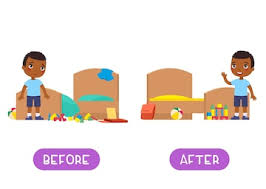
after
sau khi
-
"We play after school."
"Chúng em chơi sau giờ học."
-
Sentences
Câu
- If at first you don't succeed, try again.Nếu lần đầu bạn không thành công, hãy thử lại.
- What's more important - success or happiness?Điều gì quan trọng hơn - sự thành công hay hạnh phúc?
- Every famous inventor has failed at some point in the past.Mỗi nhà phát minh nổi tiếng đều thất bại ở một thời điểm nào đó trong quá khứ.
- His first attempt was a failure. His second was a success.Nỗ lực lần đầu tiên của anh ấy là một thất bại. Lần nỗ lực thứ hai thì là một thành công.
- Who invented the internet?Ai đã phát minh ra Internet?
- My favorite invention is the telescope.Phát minh yêu thích của tôi là kính thiên văn.
- Perhaps the most famous inventor ever was Thomas Edison.Có lẽ nhà phát minh nổi tiếng nhất là Thomas Edison.
- Alexander Fleming discovered penicillin in 1928.Alexander Fleming khám phá ra penicillin vào năm 1928.
- What's the biggest discovery of the last century?Khám phá lớn nhất của thế kỷ trước là gì?
- Scientists are trying to find cures for many terrible illnesses and diseases.Các nhà khoa học đang cố gắng tìm ra phương pháp chữa trị cho nhiều căn bệnh tồi tệ.
- To make sure it's safe, you must do a trial before you can release a new medicine.Để chắc chắn rằng nó an toàn, bạn phải thử nghiệm trước khi bạn có thể đưa ra một loại thuốc mới.
- The builder builds houses.Thợ xây xây dựng những ngôi nhà.
- They are constructing a new bridge over the river.Họ đang xây dựng một cây cầu mới bắc qua sông.
- If you ask me, the most fascinating invention of modern times is the internet.Theo tôi, phát minh hấp dẫn nhất của thời hiện đại là internet.
- If we didn't have the internet, we wouldn't have any of the cool and useful technology we use today.Nếu chúng ta không có internet, chúng ta sẽ không có những công nghệ thú vị và hữu ích mà chúng ta dùng hôm nay.
- The internet was invented by a guy called Tim Berners-Lee.Internet được phát minh bởi một người tên là Tim Berners-Lee.
- It was invented in 1989.Nó được phát minh vào năm 1989.
- However, it didn't become popular until around 1993.Tuy nhiên, nó không trở nên phổ biến cho đến khoảng năm 1993.
- Before this, it was not available to everyone.Trước đó, nó không có sẵn cho mọi người.
- After people started using the internet, it basically took over the world.Sau khi mọi người bắt đầu sử dụng internet, nó gần như chiếm lĩnh thế giới.
- I can't remember a time without the internet.Tôi không thể nhớ thời gian nào không có internet.
- But my parents can.Nhưng bố mẹ tôi thì nhớ được.
- When they were young, they only had TVs and telephones!Khi họ còn trẻ, họ chỉ có tivi và điện thoại thôi!
- No smartphones, no text messaging, no digital money, no online multiplayer video games!Không có điện thoại thông minh, không có nhắn tin, không có tiền kỹ thuật số, không có trò chơi điện tử nhiều người chơi trực tuyến!
- Life must have been hell!Cuộc sống hẳn là địa ngục!
- In conclusion, when the internet was invented, it totally changed the world.Tóm lại, khi internet được phát minh, nó đã thay đổi hoàn toàn thế giới.
- That's why I chose it as my favorite invention.Đó là lý do tôi chọn nó là phát minh yêu thích của mình.
- How many paragraphs are there?Có bao nhiêu đoạn văn?
- People have wanted to fly for a long time.Con người đã muốn bay từ rất lâu.
- Around 2,000 years ago, long before the airplane was invented, hot air balloons were first used by people in China.Khoảng 2.000 năm trước, rất lâu trước khi máy bay được phát minh, khinh khí cầu đã lần đầu được người Trung Quốc sử dụng.
- After becoming popular in China, the balloons were then widely used in France and England.Sau khi trở nên phổ biến ở Trung Quốc, những khinh khí cầu này sau đó được dùng rộng rãi ở Pháp và Anh.
- They couldn't go very far so they were mainly used for entertainment, not travel, but people were fascinated with them.Chúng không thể đi rất xa nên chủ yếu được dùng để giải trí chứ không phải đi lại, nhưng mọi người rất say mê chúng.
- In the early 20th century, before modern air travel was possible, airships were a popular mode of transport.Vào đầu thế kỷ 20, trước khi du lịch hàng không hiện đại trở nên khả thi, khí cầu là một phương tiện giao thông phổ biến.
- Airships were these huge balloons, filled with helium gas, that could travel a long way with many people in them.Khí cầu là những quả bóng khổng lồ, chứa khí heli, có thể đi rất xa với nhiều người ở bên trong.
- But in 1937 the airship Hindenburg crashed and burned.Nhưng vào năm 1937, khí cầu Hindenburg đã rơi và bốc cháy.
- After this terrible disaster, people stopped using airships so much and more people began travelling by airplane.Sau thảm họa khủng khiếp này, mọi người ít dùng khí cầu hơn và nhiều người bắt đầu đi lại bằng máy bay.
- After airships fell out of fashion, propeller planes came more into use.Sau khi khí cầu không còn thịnh hành, máy bay cánh quạt được dùng nhiều hơn.
- These airplanes, which have blades that spin very fast so the plane can fly, are now mostly used for short, private flights.Những máy bay này, có cánh quạt quay rất nhanh để máy bay có thể bay, hiện nay chủ yếu được dùng cho các chuyến bay ngắn riêng tư.
- When passengers began to express an interest in travelling longer distances by air, the commercial jet engine plane was born.Khi hành khách bắt đầu bày tỏ sự quan tâm đến việc đi quãng đường xa hơn bằng đường hàng không, máy bay phản lực thương mại đã ra đời.
- Nowadays, modern jet-powered planes can fly at over 800 kilometers per hour.Ngày nay, máy bay hiện đại chạy bằng động cơ phản lực có thể bay hơn 800 kilômét một giờ.
- They can carry hundreds of passengers and many tons of cargo, and can fly up to 15,000 kilometers in distance.Chúng có thể chở hàng trăm hành khách và nhiều tấn hàng hóa, và có thể bay quãng đường lên đến 15.000 kilômét.
- When the first commercial jet plane, the de Havilland Comet, was introduced in 1951, could anyone have dreamt how fast, and how far, air travel would develop?Khi chiếc máy bay phản lực thương mại đầu tiên, de Havilland Comet, được giới thiệu vào năm 1951, liệu có ai có thể mơ được rằng du lịch hàng không sẽ phát triển nhanh và xa đến mức nào không?
- Hot air balloons first became popular in France and England.Khinh khí cầu lần đầu trở nên phổ biến ở Pháp và Anh.
- Airships could travel long distances but were not always safe.Khí cầu có thể đi quãng đường dài nhưng không phải lúc nào cũng an toàn.
- Airplanes began to be used more often after an airship crashed.Máy bay bắt đầu được dùng thường xuyên hơn sau khi một khí cầu bị rơi.
- Propeller airplanes and jet airplanes used the same kind of power.Máy bay cánh quạt và máy bay phản lực dùng cùng một loại năng lượng.
- The jet airplane industry has developed slowly.Ngành máy bay phản lực đã phát triển chậm.